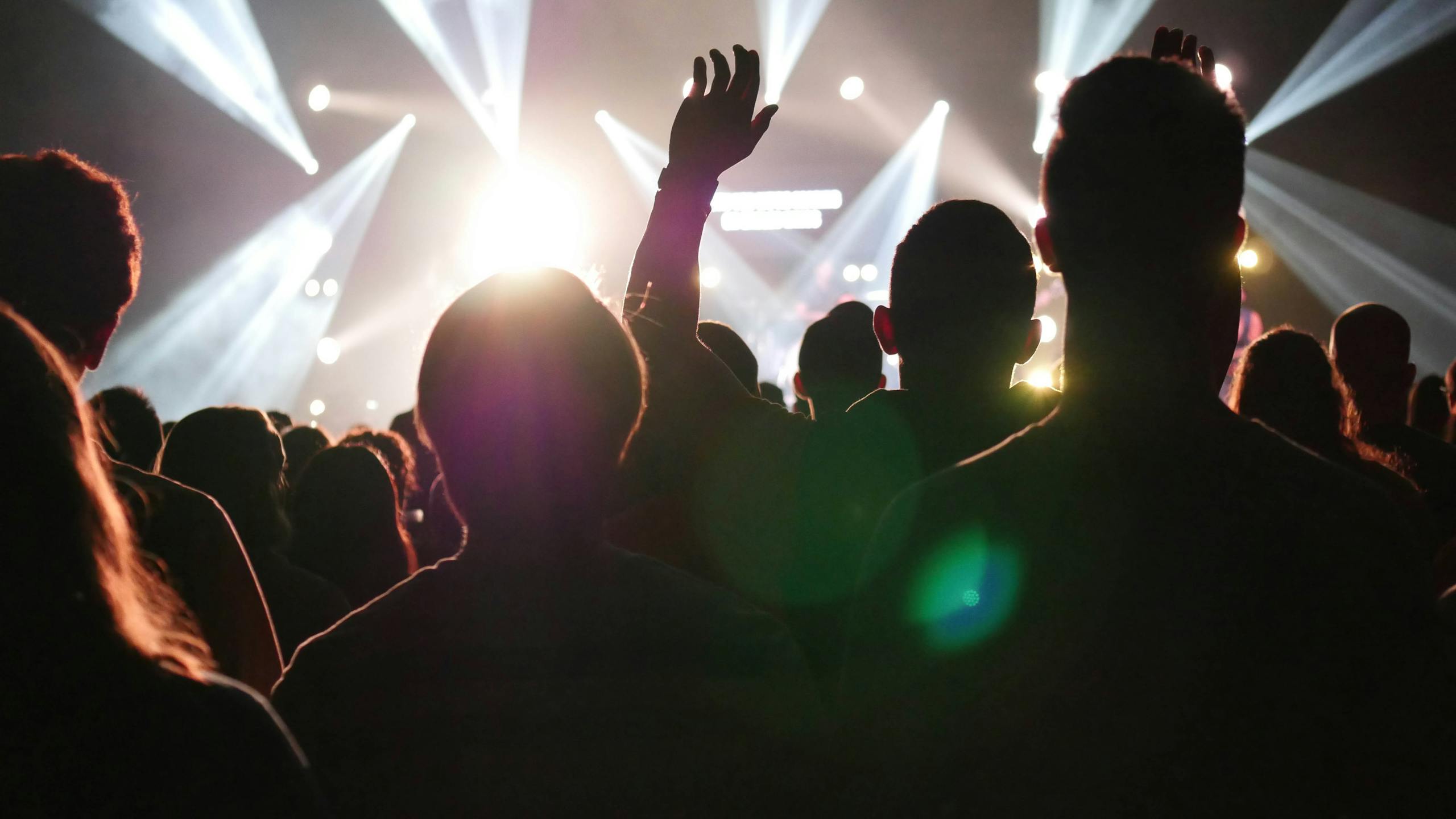
Pop culture and hospitality marketing converge when Taylor Swift announces tour dates or K-pop groups schedule concerts. Hotels near venues see booking surges months in advance. For students pursuing hospitality programs, understanding this connection matters because entertainment now drives significant travel demand across the industry.
Fandom-driven travel has become a legitimate hospitality segment. Fans book hotels, paying premium rates for convenient locations near concert venues. Properties in Miami, Los Angeles, and New York experience occupancy spikes during major tour stops: this pattern isn’t random. Hotels actively market to fan communities, creating packages and experiences tied to cultural events.
Why entertainment shapes modern hospitality marketing
Traditional hotel marketing focused on amenities such as pools, restaurants, and room quality. Entertainment-driven marketing emphasizes experience: proximity to events, connections with fellow fans, participation in cultural moments. This emotional approach works because fans make decisions based on passion rather than solely on practicality.
Hotels targeting fan communities adjust their strategies significantly: marketing teams learn to engage online communities where traditional advertising doesn’t reach, and front desk staff handle concentrated check-ins around event times. Food and beverage departments adapt to group dining patterns that differ from typical tourist behavior.
Properties respond to entertainment-driven demand by:
- Creating themed packages around major cultural events
- Partnering with venues for cross-promotional opportunities
- Training staff to understand event-specific guest needs
- Adapting social media content for fan community engagement
This shift affects everyone in hospitality. Understanding cultural trends matters as much as operational excellence for professionals entering the field.
Experience-led marketing changes everything
Research from Eventbrite and Harris Poll shows that 78% of millennials prefer spending money on experiences rather than material goods, a trend that’s reshaped how hotels market to younger travelers. Hotels mentioning nearby events in marketing see increased booking rates during those periods. Social media posts connecting properties to cultural happenings receive more shares than generic promotional content.
Fan communities operate differently from individual travelers. They share information through dedicated platforms, trust peer recommendations, and move as groups. Smart hotels tap into these networks by creating shareable moments like Instagram-worthy spaces and fan meet-up areas. They engage directly with fan accounts on social media and offer group-friendly booking policies.
What hospitality students should know?
If you’re studying hospitality management, cultural awareness matters alongside traditional operations knowledge. Properties hire professionals who recognize how entertainment shapes travel behavior. The hospitality industry increasingly values understanding why booking patterns shift around events and how to communicate with diverse fan communities.
This community-based approach extends beyond music. Sports events, gaming conventions, and cultural festivals all drive similar patterns. The principle remains constant: entertainment creates travel demand, and hotels understanding this connection win business. Students at Hospitality Academy locations across the U.S. learn in cities where entertainment drives significant hotel demand, providing direct exposure to these dynamics.
Marketing to different fan demographics
Different fan groups have distinct travel patterns and preferences. K-pop fans often travel internationally in organized groups, coordinate meetups, and share extensive documentation on social media. Sports fans prioritize proximity to stadiums and bars showing games. Music festival attendees seek extended stays with flexible check-in times and group-friendly amenities.
Properties that understand these nuances customize their approach. They don’t market the same way to all entertainment-driven travelers; recognizing demographic differences in fan communities helps hotels position themselves effectively for each segment.
The business impact of entertainment marketing
Entertainment-driven bookings typically command higher rates than standard leisure travel. Fans prioritize location over price when events matter to them. This willingness to pay premiums makes entertainment marketing financially attractive for properties near major venues.
Hotels also benefit from predictable demand: concert tours announce dates months ahead, giving properties time to adjust pricing, staffing, and inventory. This predictability helps with revenue management and operational planning compared to uncertain leisure travel patterns.
Your career in entertainment-focused hospitality
Hospitalians entering the workforce need cultural fluency alongside operational skills. Properties value professionals who understand booking pattern shifts around events, how to engage fan communities, and what makes entertainment-driven guests different from traditional travelers.
Working in markets with strong entertainment connections provides career advantages. You develop skills in managing surge demand, coordinating with event venues, and marketing to passionate communities. These competencies transfer across hospitality contexts and often lead to specialized roles in event coordination or experience design.
Career support at Hospitality Academy helps students connect with properties embracing entertainment-driven marketing. Understanding how pop culture influences hospitality business positions you ahead of professionals who only know traditional approaches. The intersection of entertainment and hospitality will continue growing. Students recognizing this trend now position themselves for careers at properties leading this evolution.