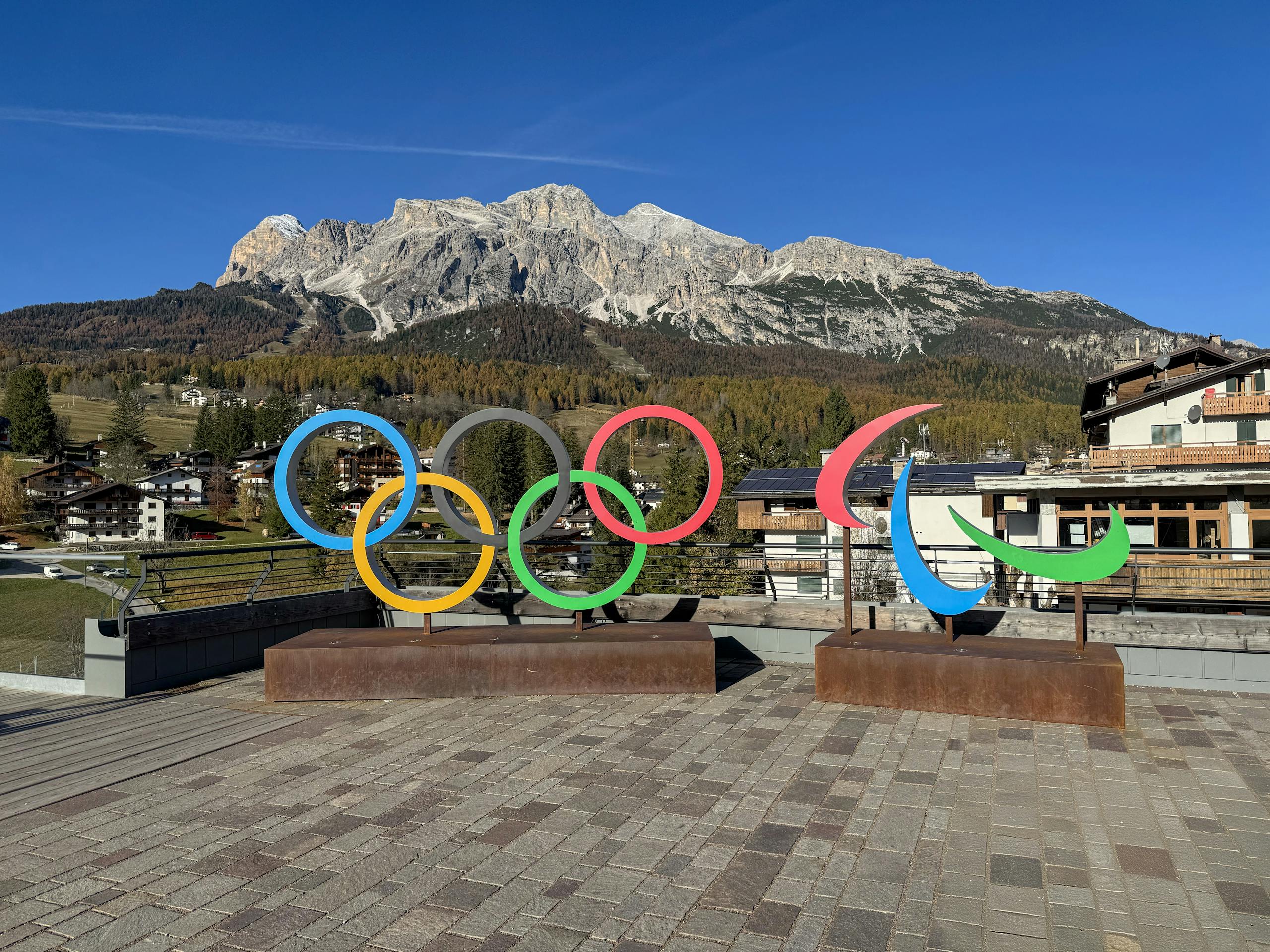
The 2026 Winter Paralympic Games in Milan-Cortina transformed Northern Italy into a fully integrated hospitality system where accessibility isn’t optional: hotels, restaurants, transportation networks, and public spaces operate seamlessly for athletes and guests with diverse physical and sensory needs. Hospitality Academy programs increasingly emphasize that major sporting events like the Paralympics reveal a fundamental truth: designing for accessibility from the ground up creates better hospitality experiences for everyone, not just those who require accommodations.
How large-scale events expose hospitality infrastructure
The Paralympics function as a stress test for destination hospitality infrastructure. Northern Italy’s properties completely redesigned service flows, trained staff in disability awareness, and rebuilt systems assuming guests have varied mobility and sensory needs.
This approach differs completely from retrofitting accessibility features into existing operations; properties hosting Paralympic athletes and spectators discovered that accessible design often improves efficiency overall. Wider corridors benefit guests with luggage and families with strollers, not just wheelchair users, while clear signage helps everyone navigate spaces more easily. Varied lighting accommodates different visual needs while creating a better ambiance.
The reason is simple: designing for diverse needs forces hospitality operators to think more carefully about every touchpoint.
What inclusive operations look like
Inclusive hospitality operations embed accessibility into daily workflows rather than treating it as a special request. Staff at Paralympic host properties receive training that changes how they approach every guest interaction; they learn to ask rather than assume what assistance someone might need, and also understand that disabilities vary widely and require flexible responses.
Operational elements that change in inclusive systems:
- Reservation systems that capture accessibility needs without making guests feel like exceptions
- Staff training emphasizing disability competence as a core hospitality skill, not specialty knowledge
- Service standards are designed for flexibility rather than rigid procedures
- Physical spaces that accommodate varied mobility and sensory needs as a baseline, not an afterthought
- Communication systems offering multiple formats (visual, auditory, written) automatically
The hotels and restaurants serving Paralympic guests demonstrate that inclusive operations don’t slow service or increase costs significantly. They require different thinking during design phases, but often streamline operations once implemented; properties report that accessibility systems reduce confusion, improve communication, and enhance experiences for all guests.
Why accessibility-first design benefits everyone
The hospitality students studying at Hospitality Academy locations learn a counterintuitive lesson from Paralympic-level accessibility: designing for edge cases often creates more intuitive systems for everyone. When you build hospitality operations assuming guests have varied capabilities, you inevitably create better experiences.
Consider restaurant operations: a restaurant designed with wheelchair accessibility in mind typically features wider aisles that also accommodate servers carrying trays, families with young children, and guests who need extra space for any reason. Menus available in multiple formats help guests with visual impairments and also improve experiences for non-native speakers or anyone who prefers digital information.
Parents with strollers, elderly guests with limited mobility, travelers with temporary injuries, and anyone navigating unfamiliar spaces all benefit from accessibility-first thinking.
Operational Standards vs. Marketing Messages
The Paralympics reveal the difference between accessibility as a marketing message and accessibility as an operational standard: many properties advertise accessible features but fail to integrate them into service culture and operational flow. Staff don’t understand how to use accessibility equipment, accessible rooms exist but are poorly maintained or difficult to book, and policies technically comply with regulations but create frustrating guest experiences.
Properties succeeding during Paralympic events demonstrate genuine integration. Accessibility appears in staff training programs, operational protocols, maintenance schedules, and service culture. It’s not a department’s responsibility, but everyone’s baseline competency.
This distinction matters for hospitality students.
The industry increasingly values professionals who understand inclusive hospitality as an operational framework, not a compliance requirement. Career support services emphasize that candidates who demonstrate disability competence and inclusive thinking stand out to employers, particularly at luxury properties competing on service quality.
What students can learn from Paralympic-level inclusivity
The Paralympics showcase hospitality operations where inclusivity drives excellence rather than limiting it, and properties hosting these events prove that accessibility-first design creates competitive advantages through superior guest experiences, operational efficiency, and staff competence.
Future hospitality professionals benefit from understanding that inclusive operations represent evolved thinking about service fundamentals. When you design systems assuming diverse guest needs, you build flexibility and responsiveness into operations from the start.
The 2026 Paralympic Games in Milan-Cortina leave a lasting legacy beyond medals and athletic achievements: they demonstrate how accessibility-first thinking transforms entire hospitality ecosystems into more intuitive, efficient, and human-centered operations that serve everyone better.