
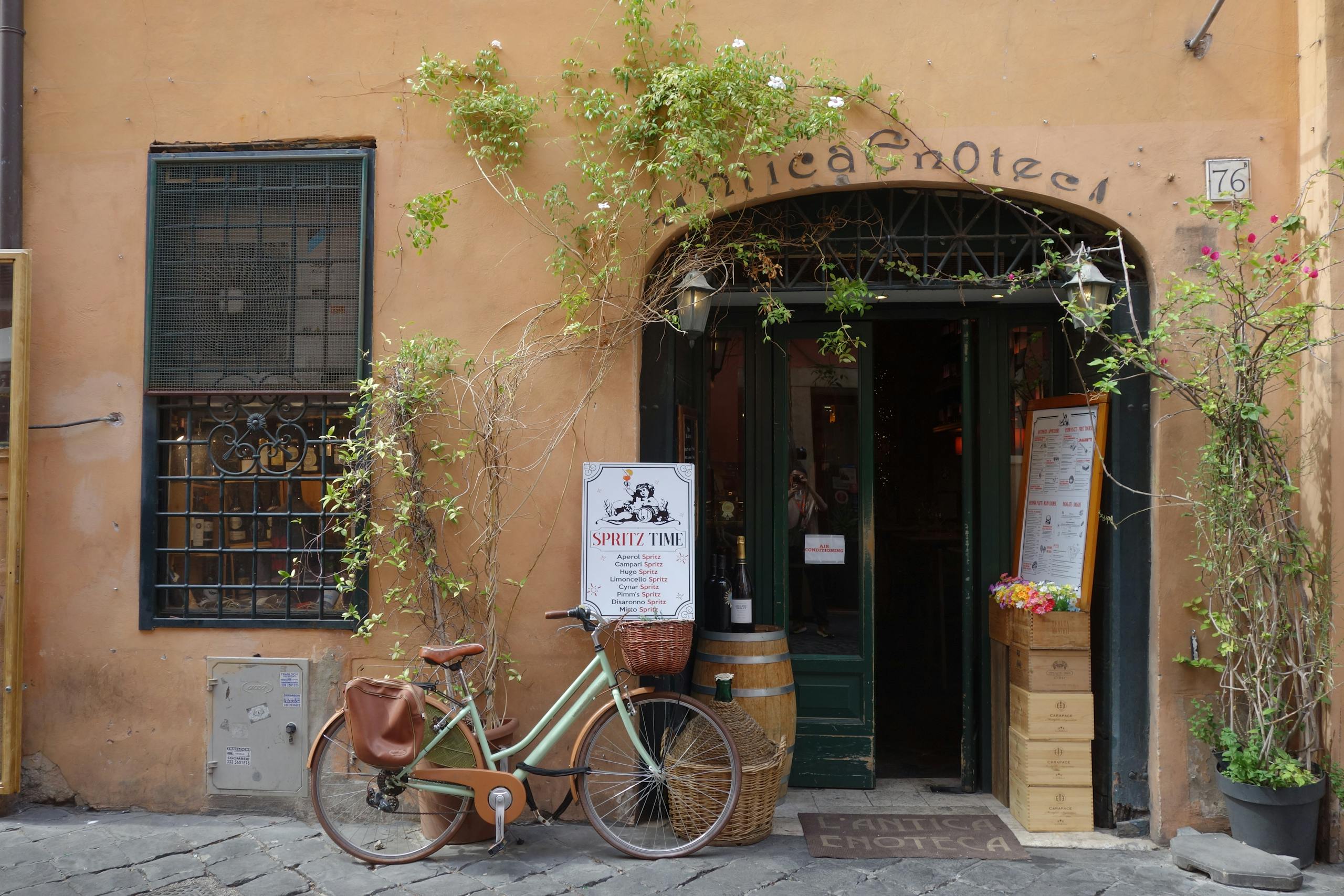
Italy’s influence on global hospitality vastly exceeds its geographic size, from fine dining principles to ingredient-driven cooking to the philosophy of “la dolce vita” hospitality; Italian approaches shape luxury properties worldwide. Students studying in Italy and elsewhere learn that understanding Italian hospitality principles provides foundational knowledge of excellence that applies across cultures and service contexts. These are universal lessons about quality, authenticity, and genuine welcome that the world adopted because they work.
Italy’s outsized hospitality influence
Consider how profoundly Italian concepts permeate global dining: menus worldwide feature Italian dishes (per fortuna!) Wine service standards originated in Italian dining culture, and the very idea of “fine dining” as a multi-course experience traces to Italian traditions. Even the term “restaurant” evolved from Italian social dining customs.
This influence extends beyond food; the Italian approach to hospitality (treating guests as honored family members rather than transactions) has shaped service cultures globally. Luxury properties worldwide study Italian hospitality models when developing their own service philosophies.
According to hospitality industry research, Italian cuisine ranks as the world’s most popular international food category, and Italian hospitality concepts appear in luxury property mission statements more than any other cultural influence. The world adopted Italian hospitality principles because they create demonstrably superior guest experiences.
The Italian principles that changed hospitality
Italian hospitality rests on specific philosophies that differ fundamentally from approaches in other cultures. These principles shaped how the global hospitality industry defines quality, authenticity, and service excellence. Here are some core Italian hospitality lessons the world adopted:
- Ingredient reverence: Quality ingredients simply prepared outperform complex techniques, hiding inferior products
- Regional authenticity: Preserving local specialties creates richer experiences than homogenizing offerings
- Hospitality as generosity: Hosting represents giving, not just service delivery for payment
- Simplicity as sophistication: Fewer ingredients expertly prepared often surpass elaborate presentations
- Social ritual: Dining builds community and relationships, not just consuming nutrients
These concepts seem obvious now precisely because Italian influence made them foundational hospitality principles. Before Italian hospitality models gained global influence, many cultures emphasized elaborate preparation, uniformity over regional variation, and transactional service relationships.
From ingredient obsession to farm-to-table movement
Italian cuisine’s intense focus on ingredient quality revolutionized global cooking. Italian chefs have always insisted that great dishes begin with exceptional raw materials. This philosophy directly inspired today’s farm-to-table movement, seasonal cooking emphasis, and ingredient sourcing transparency.
Students at Hospitality Academy programs learn Italian approaches (even abroad!) to ingredient selection and supplier relationships. This education extends beyond Italian cuisine into broader culinary philosophy. The principle that quality ingredients prepared simply often create superior results applies whether you’re cooking French, Japanese, or contemporary American cuisine.
Italian regions’ commitment to preserving local specialties also influenced global hospitality. Rather than standardizing offerings, Italian hospitality celebrates what makes each region unique. This approach inspired luxury properties worldwide to emphasize local ingredients, regional traditions, and authentic cultural expressions rather than generic international standards.
Hospitality as generosity, not transaction (the “Amico mio” approach)
Perhaps Italy’s most profound hospitality contribution is philosophical: the idea that hosting someone represents an act of generosity rather than a business transaction. This distinction fundamentally changes how hospitality feels from a guest perspective.
Italian hospitality culture developed from family traditions where feeding others and providing welcome demonstrated care and respect. Commercial hospitality in Italy maintained this philosophical foundation even as it scaled. Italian restaurants, hotels, and hospitality professionals continue treating guests as honored visitors rather than revenue sources.
This approach influenced luxury hospitality globally. Properties competing on service quality recognized that transactional relationships with guests create transactional experiences. Generous, relationship-focused hospitality creates emotional connections that guests remember and value.
The challenge for hospitality professionals worldwide is maintaining this generous spirit while operating commercially. Italian hospitality demonstrates it’s possible that you can build sustainable businesses on genuine welcome rather than extractive service models.
Simplicity, sophistication, and “La Dolce Vita“
Italian hospitality proved that sophistication doesn’t require complexity. A perfect pomodoro sauce made from exceptional tomatoes, fresh basil, and quality olive oil surpasses elaborate presentations using inferior ingredients. This lesson reshaped fine dining globally.
The “la dolce vita” philosophy, finding joy in life’s simple pleasures through quality experiences, also influenced hospitality approaches worldwide. Luxury properties increasingly emphasize authentic experiences, genuine relationships, and quality moments over ostentatious displays of wealth.
Students studying at Hospitality Academy locations observe how Italian principles appear in non-Italian contexts. A luxury property in New York or Tokyo might not serve Italian cuisine, but its commitment to ingredient quality, regional authenticity, and generous hospitality often reflects Italian influence.
Family, community, and dining as social ritual (AKA Don’t forget the Nonna)
Italy’s contribution to viewing dining as a social ritual rather than a simple sustenance transformed global hospitality culture. Italian dining traditions emphasize that meals bring people together, build relationships, and create community; the food matters, but the shared experience matters more.
This perspective influenced how restaurants worldwide design spaces, pace service, and think about guest experiences. The understanding that hospitality facilitates human connection (not just delivers food and shelter) traces directly to Italian cultural approaches.
The career support through Hospitality Academy helps students articulate how these principles create operational value. Properties adopt Italian hospitality concepts because they create measurably better guest experiences and stronger business outcomes.
Balancing innovation with tradition
Italian hospitality’s most sophisticated lesson may be how it balances innovation with tradition. Italian chefs and hospitality professionals constantly evolve their practices while maintaining core values of quality, authenticity, and genuine welcome.
This balance prevents hospitality from becoming either museum preservation or rootless trend-chasing. Italian models demonstrate that you can honor traditions while adapting to contemporary contexts, that you can maintain quality standards while embracing innovation, and that you can preserve cultural identity while serving diverse global guests.
Modern hospitality needs this balance. Properties that lose connection to hospitality’s fundamental purposes become soulless despite operational efficiency, while those refusing to evolve become irrelevant despite authentic traditions. Italian hospitality shows the path between these extremes.