The best AI tools for students in 2026 can speed up research, sharpen your writing, and organize your studies, as long as you use them ethically. Used well, AI becomes a study partner that saves time and reduces stress. Used carelessly, it risks your originality and academic integrity. The key is knowing which tools help, and how to keep your own voice at the center. Our guide to studying and building skills abroad offers wider context, while this article focuses on smart, responsible AI use.
Key Takeaways:
- The best AI tools for students in 2026 support research, writing, and organization
- AI should assist your learning, never replace your original work
- Different tools suit research, writing, presentations, and planning
- Always check your institution’s rules on its use and citation
- Keeping your own voice is what protects academic integrity
What are the best tools for research and studying?
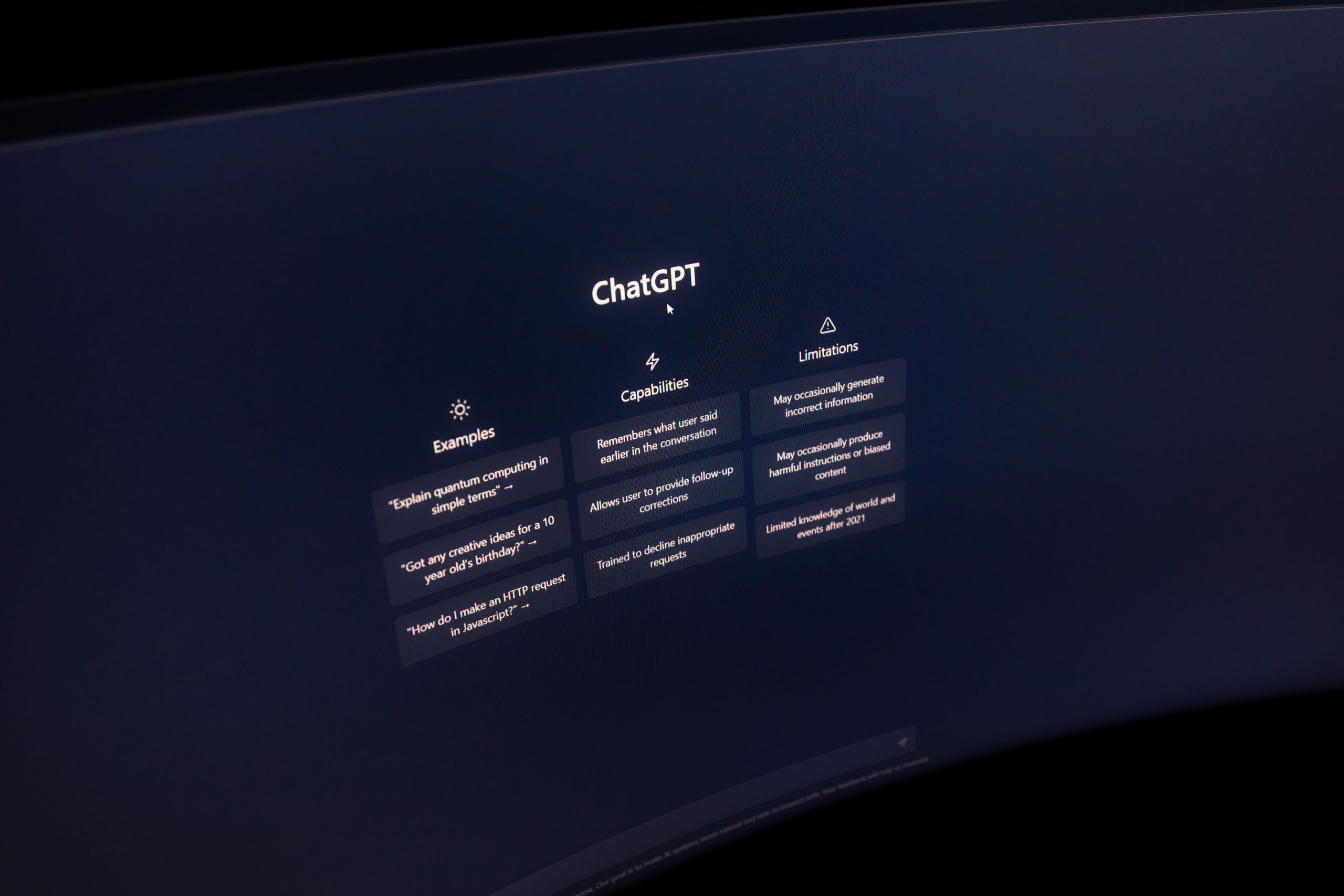
Perplexity and ChatGPT are strong starting points for research and summarizing. They help you understand topics quickly and organize information.
Useful ways students apply them:
- Summarizing long articles into key points
- Explaining complex concepts in simpler terms
- Generating study questions for revision
- Organizing scattered notes into clear structures
According to Statista, AI adoption among students has risen sharply, making responsible use an essential modern skill. Always verify its answers against trusted sources.
Which tools help with writing without plagiarism?
Grammarly and similar tools improve your writing while keeping it yours. The goal is support, not substitution.
These tools help refine grammar, clarity, and tone in work you’ve already written. The critical distinction is using AI to polish your ideas, not to generate them wholesale. According to Cornell University, responsible AI use in education centers on augmenting student thinking rather than replacing it. Your ideas should always come first.
How can students use AI without academic misconduct?
Use AI as a helper, cite it when required, and keep your work original. This is the line between smart study and misconduct.
Follow these principles:
- Never submit AI-generated text as your own work
- Check your institution’s specific AI policy
- Cite AI assistance when your guidelines require it
- Use it to learn, not to bypass learning
Staying transparent protects both your integrity and your grades.
What AI tools help with productivity and organization?
Notion and similar apps combine note-taking, planning, and AI assistance. They help you manage deadlines and structure your workload.
Students use them to build study schedules, organize research, and break large projects into manageable steps. For language learners, tools like Duolingo add AI-driven practice. The best setup combines a few tools that genuinely fit your workflow, rather than dozens you rarely open.
FAQ
Is using AI allowed for students in 2026?
It depends on your institution. Many allow AI for support and research, but submitting AI-written work as your own is widely prohibited. Always check your rules.
How do I cite these tools in my work?
Citation styles increasingly include AI guidance. When in doubt, disclose your AI use and follow your institution’s specific format.
The best AI tools for students in 2026 are powerful allies when used with intention and honesty. Let them save you time and sharpen your thinking, but keep your own voice at the heart of everything, because that’s what truly makes your work yours.