The real places that inspired famous horror stories are often more fascinating than the fiction itself. From the mountain hotel behind The Shining to the castle linked to Dracula, these destinations shaped some of the most iconic tales ever told, and many welcome guests today. This Halloween, we explore the history behind the legends. For more on destination storytelling, explore our guide to how hotels create memorable experiences.
Key Takeaways:
- Many famous horror stories were inspired by real, visitable places
- The Stanley Hotel inspired Stephen King’s The Shining
- Bran Castle in Romania is popularly linked to Dracula
- Even fiction like Hotel Transylvania shows the classic hospitality challenge of adapting to unexpected guests.
- Film and literary tourism can transform a destination’s identity
- Hotels increasingly use history and storytelling in the guest experience
What hotel inspired The Shining?
The Stanley Hotel in Estes Park, Colorado, inspired Stephen King’s The Shining. King stayed there in 1974, and the eerie, near-empty hotel sparked the idea for his novel.
Interestingly, the famous film adaptation wasn’t shot there. Still, the Stanley leaned into its legacy, and today it draws visitors fascinated by the story. It’s a textbook example of how a single tale can reshape a hotel’s entire identity.
Is Dracula’s castle a real place?
Bran Castle in Transylvania, Romania, is widely associated with Dracula, though the link is more literary than historical. Bram Stoker never visited it.
According to Britannica, the castle’s dramatic silhouette matched descriptions in Stoker’s 1897 novel, and the connection stuck. Today, Bran Castle is one of Romania’s most visited attractions, proof of storytelling’s lasting pull.
What can Hotel Transylvania teach us about hospitality?
Not every famous monster hotel is scary.
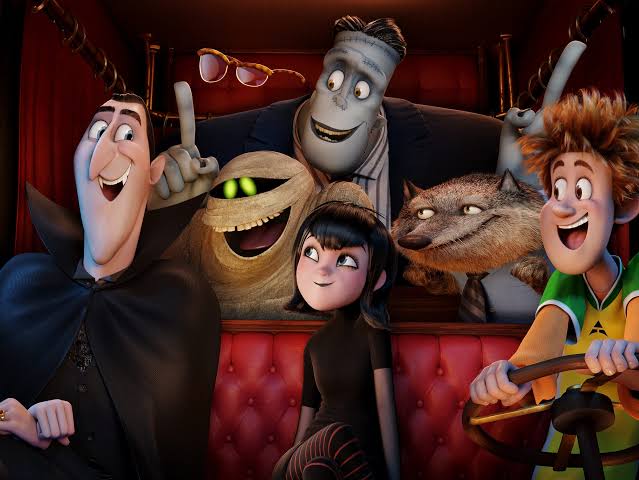
In Sony’s animated film Hotel Transylvania (2012), Dracula runs a five-star resort where Frankenstein’s monster, the Mummy, and the Invisible Man can switch off without a single human around. Look past the jokes, and it’s really a story about a hotelier. Dracula knows his regulars by name, plans his daughter’s 118th birthday party himself, and guards his guests’ privacy fiercely. Then a backpacker walks in uninvited, and the most protective host in the business has to choose between sticking to the rules and adapting to the guest in front of him.
Any front office team will recognize that moment: the guest you didn’t plan for is usually the one who tests your service most.
Which other destinations inspired horror classics?
Several real places shaped well-known horror stories. Each blends genuine history with a touch of fiction.
Notable examples include:
- Whitby, England: the coastal town where Dracula comes ashore
- The Cecil Hotel, Los Angeles: linked to numerous true-crime and horror retellings
- Transylvania’s landscapes: the atmospheric backdrop of countless vampire tales
Why does horror tourism matter for destinations?
Horror tourism matters because stories give places a powerful, lasting identity. A single film or novel can turn an ordinary location into a global attraction.
According to UN Tourism, film and cultural tourism significantly influence where travelers choose to go. Hotels and destinations increasingly weave history, legend, and pop culture into the guest experience, because a great story is unforgettable.
FAQ
Can you actually stay at the hotel that inspired The Shining?
Yes. The Stanley Hotel welcomes guests and openly embraces its connection to the story.
Is Bran Castle really Dracula’s castle?
Not historically, but its association with the novel has made it a beloved, much-visited landmark.
The real places that inspired famous horror stories remind us how deeply storytelling and travel are connected. For anyone drawn to hospitality, they’re a brilliant lesson: a memorable story can define a destination for generations.