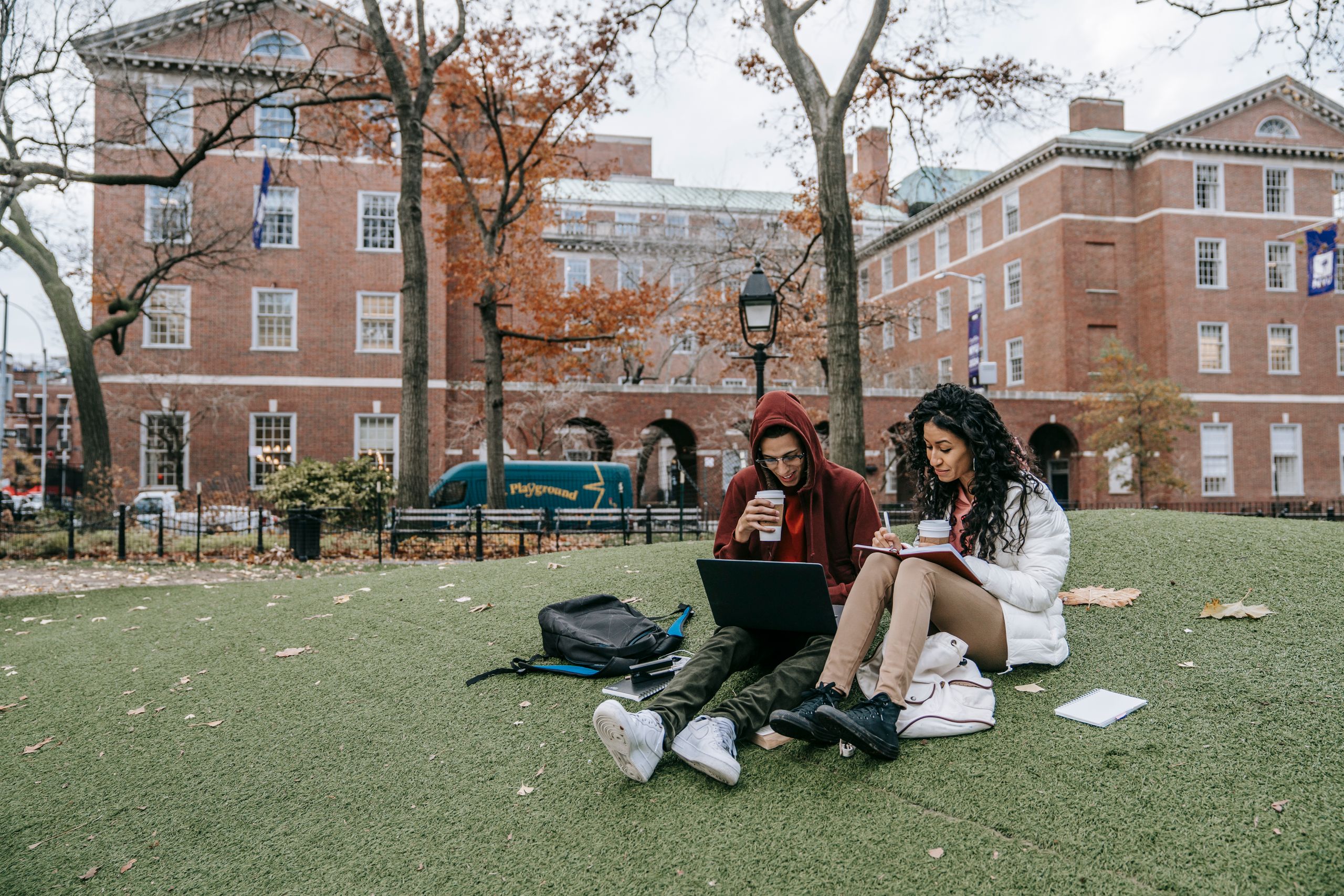
International students can still study in the USA in 2026, provided they follow the correct visa pathway and application steps. Despite the confusing headlines online, the F-1 student visa remains open, active, and widely granted to students enrolling at accredited U.S. institutions. What matters is understanding the rules: how to apply, what you can do while studying, and what training options follow. Our guide to working and studying in the USA covers the wider picture, while this article focuses on 2026 specifically.
Key Takeaways:
- International students can still study in the USA in 2026 through the F-1 student visa
- The F-1 is the primary visa for full-time academic study at accredited institutions
- CPT and OPT allow practical work experience during and after studies
- Core documents include the I-20, SEVIS payment, and DS-160 application
- Early preparation and a clear visa interview are the keys to approval
Can international students still get a US student visa in 2026?
Yes. The F-1 student visa continues to be issued to qualified applicants enrolling at accredited U.S. schools. Despite online speculation, there is no ban on international students studying in the United States.
According to the U.S. Department of State, the F-1 visa remains the standard route for academic study, and consular services continue processing applications worldwide. The process is well-established and predictable when you prepare correctly.
What is the F-1 visa and who is it for?
The F-1 visa is for international students enrolled in full-time academic programs at accredited U.S. institutions. It covers universities, colleges, and approved academic and language programs.
Key features of the F-1 include:
- Full-time enrollment at a SEVP-certified school
- Permission to remain in the U.S. for the duration of your studies
- Built-in work authorization options through CPT and OPT
- The ability to transfer between institutions when needed
The F-1 is by far the most common visa for degree-seeking international students.
What can and can’t international students do while studying?
Students can study full-time and work in limited, authorized ways, but cannot take unauthorized employment. Understanding this boundary protects your status.
Generally, F-1 students can:
- Study full-time at their sponsoring institution
- Work on-campus up to 20 hours per week during term
- Access practical training through CPT and OPT
- Travel and re-enter with valid documents
What students cannot do is work off-campus without authorization. All employment must be approved in advance through the proper channels.
How do CPT and OPT work for international students?
CPT and OPT are practical training programs that let F-1 students gain paid work experience legally. They are among the biggest advantages of the F-1 visa.
Curricular Practical Training (CPT) allows work during your studies, tied to your program. Optional Practical Training (OPT) allows up to 12 months of work during or after your degree, with a 24-month extension for STEM fields. According to U.S. Immigration and Customs Enforcement, both require proper authorization before employment begins.
What should students prepare before applying?
Start with your acceptance, then gather your documents early. Preparation is what separates smooth approvals from stressful ones.
Your essential checklist:
- Acceptance from an SEVP-certified institution
- Your Form I-20 from that school
- Proof of SEVIS I-901 fee payment
- A completed DS-160 application
- Financial documents and a prepared visa interview
FAQ
How long does the F-1 visa process take in 2026?
Timelines vary by country, but many students complete the process in a few weeks to a few months. Applying early is always the safest approach.
Can I stay in the US after graduation?
Yes, often through OPT, which allows up to 12 months of work, extendable for STEM graduates. Other pathways may follow depending on your situation.
Studying in the USA in 2026 is absolutely achievable for international students who understand the process. With the right guidance, what feels overwhelming becomes a clear, manageable path, and it’s one we love helping students walk.