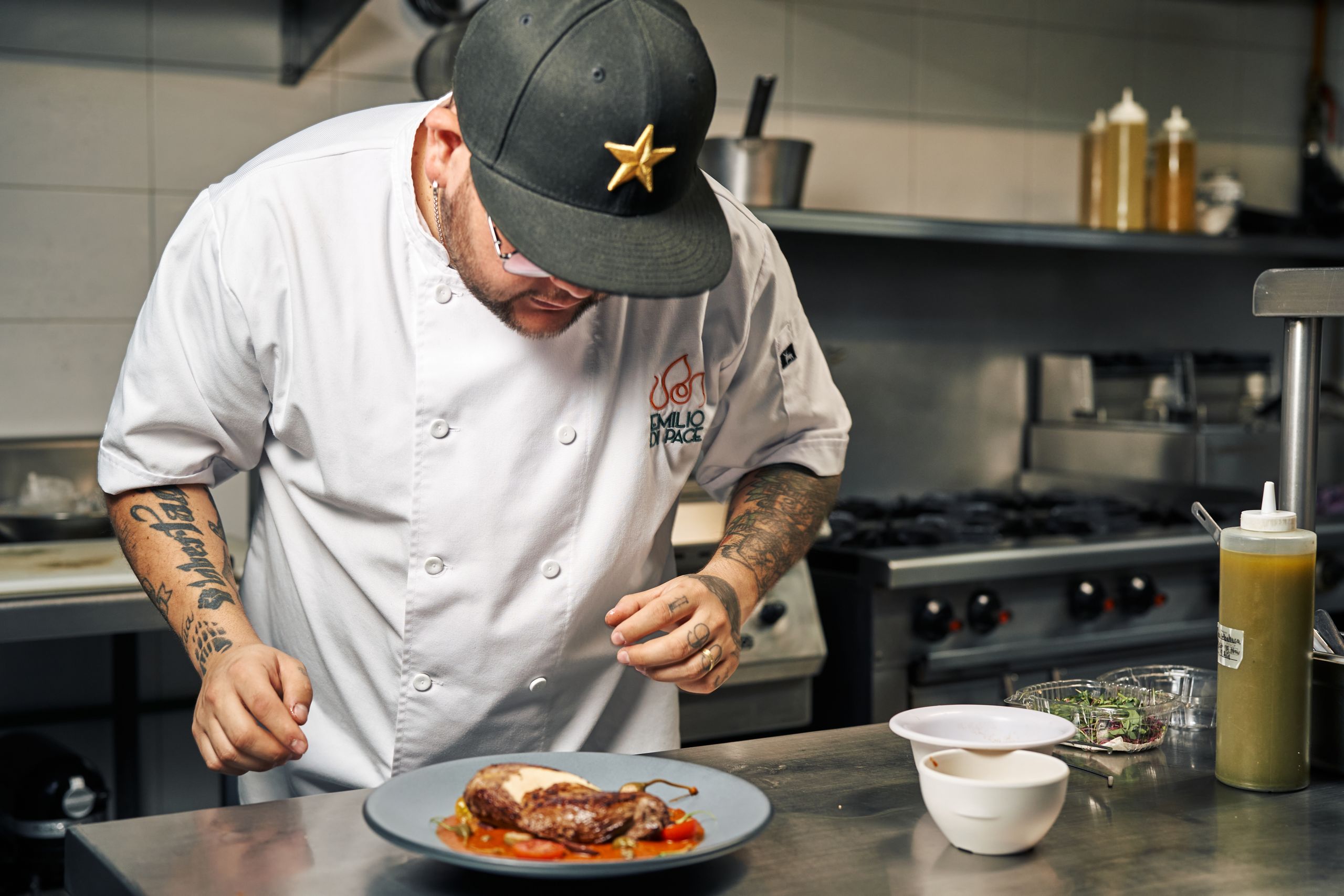
When a restaurant gets a Michelin star, it gains prestige and visibility almost immediately. It also takes on pressure: guests arrive with higher expectations, staff becomes more sought after, and every service is measured against the star. What happens next differs from one restaurant to another. With the MICHELIN Guide Spain 2027 selection announced in Huesca on 24 November 2026, here is what recognition can change inside a kitchen and a dining room. For a closer look at front-of-house roles, see our guide to careers in fine dining.
Key takeaways
- A Michelin star recognizes the cooking only, judged on five criteria.
- Recognition can bring new guests, higher expectations, and more interest from other employers in your staff.
- More demand does not automatically mean more profit.
- One New York study found starred restaurants were more likely to close in the following years.
- Front-of-house, sommeliers, reservations, and managers turn a star into a consistent experience.
What does a Michelin star actually recognize?
Stars are awarded for the food. According to the MICHELIN Guide, anonymous inspectors assess five criteria: quality of products, mastery of flavor and cooking techniques, harmony of flavors, the chef’s personality on the plate, and consistency between visits. Decor, table setting, and service quality are not part of the star.
That distinction matters. Everything that happens after the award, from the reservation call to the farewell at the door, is the restaurant’s own business decision.
How do bookings and visibility change after a star?
A star puts a restaurant in front of food travelers worldwide. Any change in bookings or waiting lists varies: there is no reliable universal figure, and the effect depends on location, size and price.
The type of guest can change too. Owners interviewed in a study by Daniel B. Sands of University College London described more special-occasion diners and out-of-town visitors, while some regulars came less often.
How do guest expectations change?
A guest who traveled for a starred meal expects every detail to match. Service is not judged by inspectors, but it is judged by every person at the table. Pacing, wine advice, and how a team handles a mistake shape whether that guest leaves happy.
What happens to the team?
Recognition makes the team more visible to other employers. In the Sands study, owners described employees asking for higher pay or leaving to start their own projects. Restaurants respond by investing in recruitment, training and retention, often while workload rises with demand. New hires need to learn the restaurant’s standards quickly, so senior staff spend more of their time coaching.
Do menus, prices and suppliers change?
Some restaurants raise prices, refine their menus or invest in equipment and service. Owners in the same study also reported tougher negotiations with landlords and suppliers once a star was announced. Each choice can strengthen the business or stretch it.
Why does more demand not always mean more profit?
Fine dining runs on high costs and tight margins. The Sands study followed New York restaurants that opened between 2000 and 2014 and found that those which earned a star were more likely to close in later years than similar restaurants without one. Rising costs and shifting customers were part of the explanation. Sands also notes that many starred restaurants do well.
How much pressure comes with keeping a star?
Consistency is one of the five criteria, so every service counts. For the team, that can mean longer preparation, stricter checks before each service, and less room to experiment on a busy night. Some chefs have decided the pressure is not worth it: Fine Dining Lovers recalls Sébastien Bras returning three stars and Julio Biosca of Casa Julio, near Valencia, giving back his one.
Who helps the chef turn a star into a consistent experience?
A starred restaurant depends on far more than the kitchen. The restaurant manager plans staffing and costs. Sommeliers guide guests through pairings, reservations teams handle demand fairly, and front-of-house staff set the tone of the evening. These roles are where hospitality management meets fine dining, and they draw on the skills hospitality students build for careers in this world.
Frequently asked questions
These are the questions people ask most about life after a star.
Does a Michelin star guarantee more bookings?
No. Some restaurants see more demand, but the effect varies.
Do Michelin-starred restaurants raise their prices?
Some do, often to cover higher costs. It is a business decision, not a requirement.
Can a restaurant lose its star?
Yes. Selections are reviewed each year, and consistency between visits is one of the criteria.
Beyond the award
What happens when a restaurant gets a Michelin star depends on the people who run it. The star recognizes the cooking. Keeping guests, staff, and finances in balance afterward is the work of a whole hospitality team.