
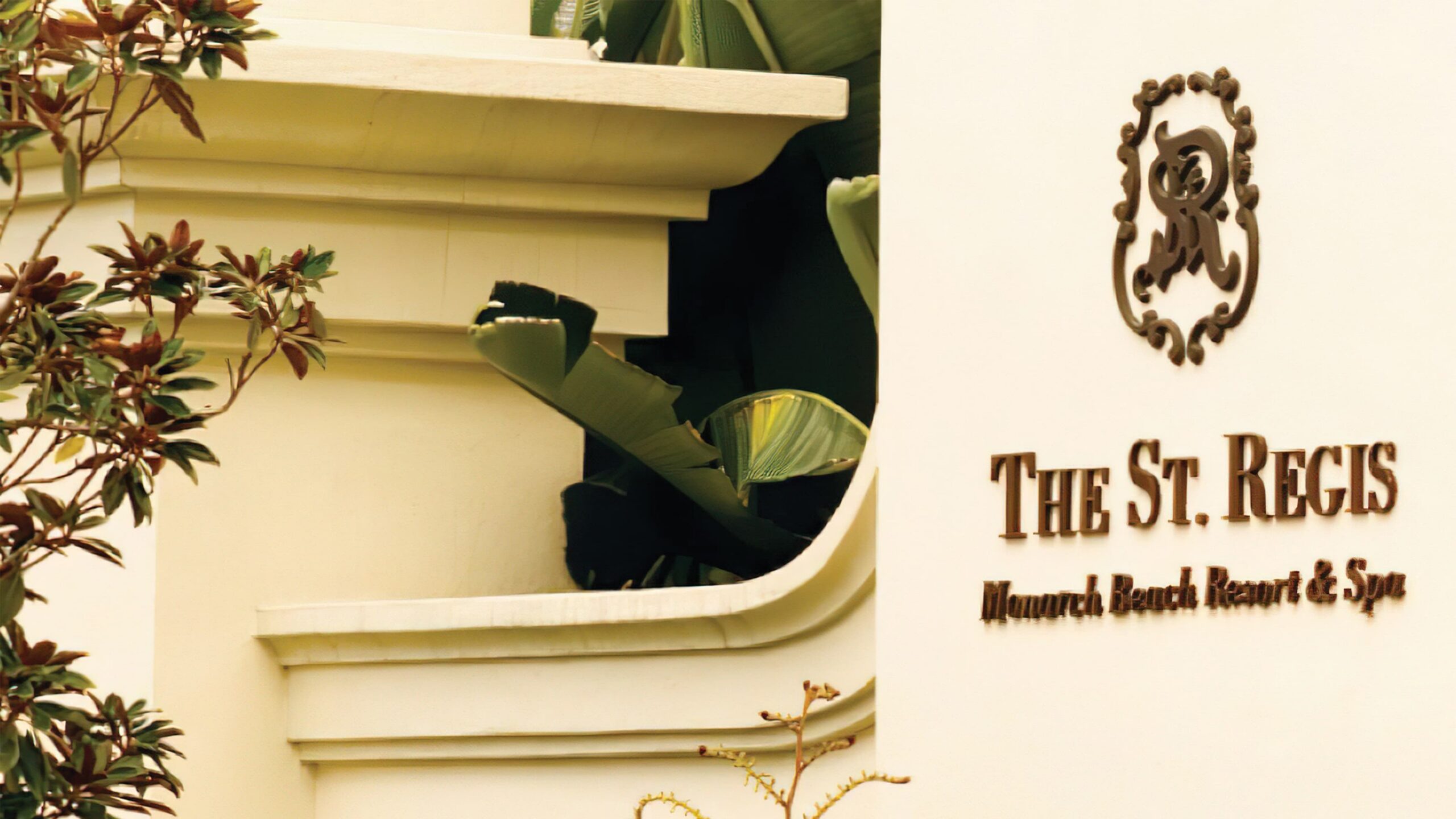
The St. Regis brand carries the legacy of one of America’s most fascinating figures, and its identity is steeped in history that most guests never learn. Founded by John Jacob Astor IV, who introduced The St. Regis New York in 1904, the brand has spent over a century defining bespoke luxury and refined elegance. Understanding the story behind the St. Regis name and visual identity offers a genuine lesson in how luxury hospitality brands build prestige. Our series on luxury hospitality brand identity explores how visual storytelling shapes guest perception across the industry.
Key Takeaways:
- The St. Regis was founded by John Jacob Astor IV, who opened The St. Regis New York in 1904
- Astor was one of the wealthiest men in America and perished aboard the Titanic in 1912
- The brand’s identity is built on heritage, discretion, and timeless European-inspired elegance
- St. Regis differentiates itself through signature traditions like bespoke butler service
- Luxury brands use visual identity and storytelling to communicate prestige before a guest ever arrives
Who founded St. Regis?
St. Regis was founded by Colonel John Jacob Astor IV, one of the wealthiest and most prominent men in America at the turn of the 20th century. He introduced The St. Regis New York in 1904, and according to the St. Regis brand’s own history, The New York Times declared it “the finest hotel in America” upon opening.
Astor was a visionary, inventor, and entrepreneur. He insisted the hotel be as technologically advanced as it was luxurious, famously requiring that each room have its own telephone, an extraordinary innovation for the era. His story took a tragic turn in 1912, when he perished during the sinking of the Titanic, cementing his place in history.
What does the St. Regis brand identity represent?
The St. Regis identity is built around heritage, refinement, and understated prestige rather than overt opulence. The brand positions itself as a guardian of timeless elegance, drawing on the European aristocratic tradition Astor admired.
The visual identity reflects this through clean, classical typography and a restrained, sophisticated aesthetic. Rather than shouting luxury, the St. Regis communicates it quietly, which is precisely the effect Astor intended when he modeled the original hotel on the finest hotels of Europe.
How does storytelling shape the St. Regis brand?
Storytelling is central to how St. Regis positions itself. The brand consistently draws on its founding narrative, its Astor heritage, and signature rituals that connect every property back to the original New York hotel.
Two of the most famous traditions include:
- Bespoke Butler Service: rooted in the original hotel’s commitment to anticipating every guest’s need
- The Bloody Mary: the cocktail was reportedly invented at the St. Regis New York’s King Cole Bar in 1934
These living traditions turn brand history into guest experience, which is one of the most effective tools in luxury hospitality.
How does St. Regis differentiate within the luxury segment?
St. Regis differentiates itself through legacy and ritual rather than scale. While many luxury brands compete on amenities or design, St. Regis leans into its century-old heritage and signature service traditions.
The bespoke butler service, available around the clock, is the clearest example. It is not just a feature; it is a continuation of Astor’s original vision of a hotel where guests feel as comfortable as they would in a private home. This consistency across properties worldwide is what gives the brand its enduring prestige.
FAQ
Who created the St. Regis hotel?
Colonel John Jacob Astor IV created the St. Regis, opening The St. Regis New York in 1904. He was one of the wealthiest men in America and died aboard the Titanic in 1912.
What is St. Regis known for?
St. Regis is known for its heritage of bespoke luxury, signature around-the-clock butler service, and timeless elegance rooted in the vision of its founder.
The St. Regis brand proves that in luxury hospitality, a powerful story is as valuable as a beautiful property, and that heritage, told well, becomes a defining part of the guest experience itself.