
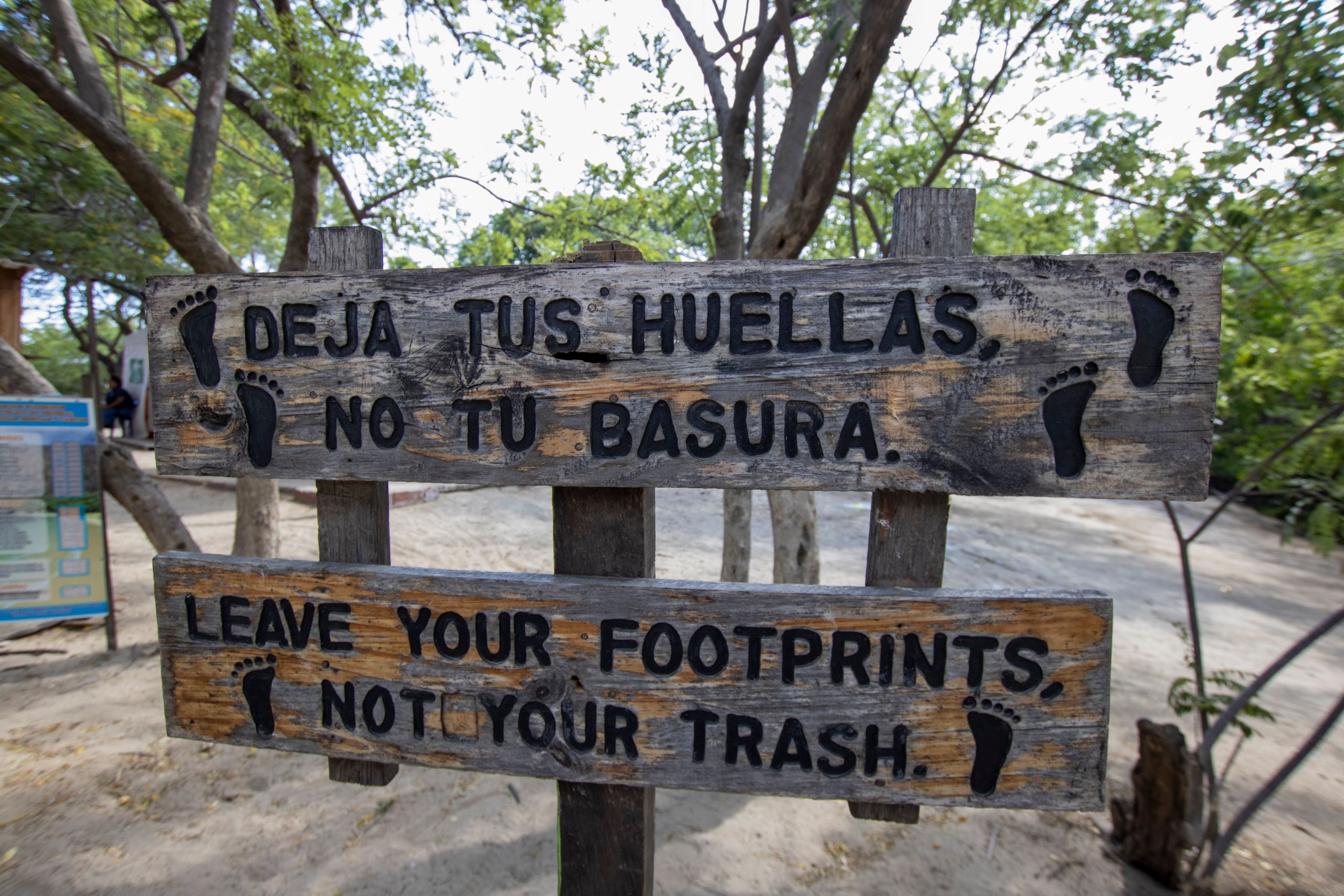
Ethical tourism is the practice of traveling in a way that respects local communities, cultures, and environments while maximizing positive impact and minimizing harm. As more travelers in 2026 ask how to explore the world responsibly, ethical tourism has grown from a niche idea into a mainstream priority that shapes where people go, where they stay, and how they spend. Understanding what it means in practice is the first step to becoming a more conscious traveler. Our guide to sustainability in modern hospitality explores how the industry itself is responding.
Key Takeaways:
- Ethical tourism focuses on responsible travel that benefits communities, cultures, and the environment
- Supporting local businesses keeps tourism revenue within the destination
- Cultural respect and responsible behavior are central to ethical travel
- Overtourism is a growing challenge that conscious travelers can help reduce
- Practical actions before, during, and after a trip make a measurable difference
What does ethical tourism actually mean today?
Ethical tourism means making travel choices that create positive outcomes for the places you visit while reducing negative impact. According to the UN Tourism (UNWTO), sustainable and responsible tourism should account for its current and future economic, social, and environmental impacts.
It goes beyond environmental sustainability alone. Ethical tourism also considers fair employment, cultural respect, animal welfare, and the well-being of local communities. In short, it asks travelers to think about the full footprint of their trip, not just its carbon cost.
How can travelers support local communities?
Supporting local communities is one of the most direct ways to travel ethically. When money stays within a destination, it strengthens local economies rather than flowing out to international corporations.
Practical actions include:
- Eating at locally owned restaurants rather than international chains
- Buying from local artisans and markets
- Choosing locally owned accommodations and tour operators
- Hiring local guides who share authentic knowledge
How can travelers respect local culture?
Cultural respect begins with preparation. Learning a few words of the local language, understanding customs, and dressing appropriately for the setting all signal genuine respect.
Responsible traveler behavior also means asking before photographing people, respecting sacred sites, and being mindful of how your presence affects daily life in a destination. Small gestures of awareness make a meaningful difference to the communities hosting you.
What is overtourism and how can travelers help?
Overtourism occurs when a destination receives more visitors than it can sustainably handle, straining infrastructure, communities, and the environment. According to Statista, traveler awareness of sustainability and overtourism has risen significantly in recent years.
Conscious travelers can help by:
- Visiting popular destinations during off-peak seasons
- Exploring lesser-known alternatives to overcrowded hotspots
- Staying longer in fewer places rather than rushing through many
- Respecting local guidelines designed to protect destinations
What can travelers do before, during, and after a trip?
Ethical tourism is a habit, not a single decision. Before traveling, research responsible operators and accommodations. During the trip, support local businesses and minimize waste. Afterward, leave honest reviews that help responsible businesses and share what you learned with others.
FAQ
What is the difference between ethical tourism and sustainable tourism?
Sustainable tourism focuses primarily on environmental and long-term resource impact. Ethical tourism is broader, also covering fair employment, cultural respect, animal welfare, and community well-being.
How can I choose ethical accommodations?
Look for locally owned properties, businesses with genuine sustainability practices, and accommodations that employ and support the local community fairly.
Ethical tourism proves that how we travel matters as much as where we go. With a few thoughtful choices, every traveler can leave a destination better than they found it.