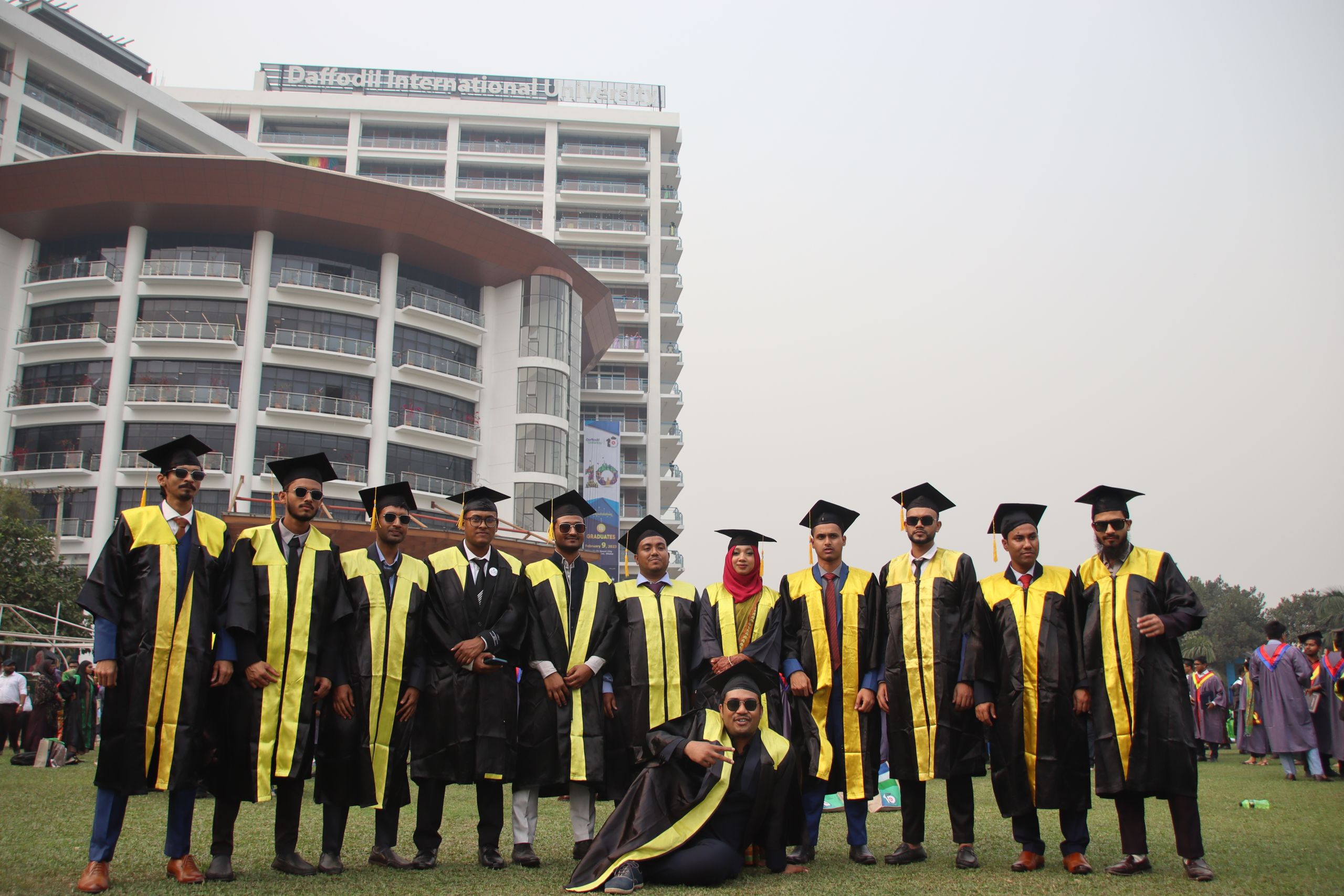

Hospitality graduates are consistently hired outside the hospitality industry, mostly as a deliberate recruitment strategy by employers who understand what the training actually produces. Communication under pressure, client management at the highest expectations, operational problem-solving, and cross-cultural fluency are skills that transfer directly into consulting, luxury retail, aviation, events, and financial services. For students exploring international hospitality programs and career support, understanding the full scope of what a hospitality degree opens up is as important as understanding the industry itself.
Key Takeaways:
- Hospitality graduates develop transferable skills in client management, communication, and operations that employers across industries actively seek
- Sectors including luxury retail, management consulting, airlines, events, and corporate services regularly recruit hospitality profiles
- The service-first mindset developed through hospitality education is increasingly valued as a differentiator in client-facing roles across all industries
- According to the World Travel and Tourism Council, the hospitality and tourism sector contributes over 10% of global GDP, making it a training ground for business professionals
- Graduates who can demonstrate both technical hospitality knowledge and leadership capability often access senior roles faster than peers from more narrowly focused disciplines
What transferable skills does a hospitality degree develop?
A hospitality degree develops a specific combination of skills that are genuinely difficult to train from scratch in a corporate environment. The training is inherently practical and interpersonal: you are taught to manage competing priorities in real time, communicate with high-expectation clients without notes or scripts, and maintain composure when things go wrong in ways that are visible to guests.
The skills most frequently cited by employers hiring hospitality graduates outside the industry include:
- Client and stakeholder management: understanding and anticipating needs before they are expressed
- Operational and logistical coordination: running complex, time-sensitive processes across multiple moving parts
- Cross-cultural communication: working with colleagues and clients from diverse national and cultural backgrounds
- Problem-solving under pressure: making good decisions quickly when circumstances change
- Attention to detail in service delivery: maintaining standards consistently at scale
These are exactly what employers in demanding client-facing industries spend significant resources trying to develop in their teams.
Which industries hire these graduates?
The industries that most consistently recruit hospitality profiles outside of hotels and restaurants are those where client experience and service quality are competitive differentiators.
- Luxury retail is perhaps the most direct overlap. Brands including LVMH, Kering, and Richemont Group actively recruit from hospitality programs because the client-facing expectations in luxury retail (discretion, personalization, high emotional intelligence) mirror what luxury hotel training develops. Several executives at major luxury retail brands have hospitality management backgrounds.
- Management consulting firms increasingly value hospitality profiles for client-facing analyst and associate roles. The ability to manage client expectations, communicate clearly under pressure, and work across cultural contexts is relevant from day one.
- Airlines and aviation have historically drawn from hospitality programs for cabin crew management, customer experience design, and operations roles. The overlap in service philosophy and operational structure is significant.
- Event management and production companies, particularly those operating at the luxury end of the market, recruit hospitality graduates for their understanding of guest experience design and their operational discipline.
How do graduates compete in non-hospitality interviews?
According to Cornell University’s School of Hotel Administration, hospitality graduates entering non-hospitality sectors consistently outperform peers in client satisfaction metrics and retention at junior and mid-level roles. The practical, people-first training they receive is not common across most undergraduate programs.
The key in a non-hospitality interview is framing. A candidate who describes their experience in terms of revenue management, team leadership, and operational efficiency, rather than service delivery in isolation, immediately repositions their background as relevant to any business context.
FAQ
Can hospitality graduates work in finance or banking?
Yes, particularly in relationship management, private banking, and client-facing advisory roles. The client management skills developed through hospitality training are directly applicable, and some private banking institutions specifically recruit from hospitality programs.
Is this degree respected outside the industry?
Increasingly, yes. As the service economy grows and client experience becomes a competitive differentiator across industries, the practical training that hospitality degrees provide is being recognized more widely as genuinely valuable business education.
Why are graduates ready for leadership faster
A hospitality degree is broader than most people outside the industry understand. The professionals who recognize that early (and frame their experience accordingly) consistently find that their background opens more doors than they expected. That is not accidental. It is the result of training that is fundamentally about people, performance, and pressure, which every industry needs.