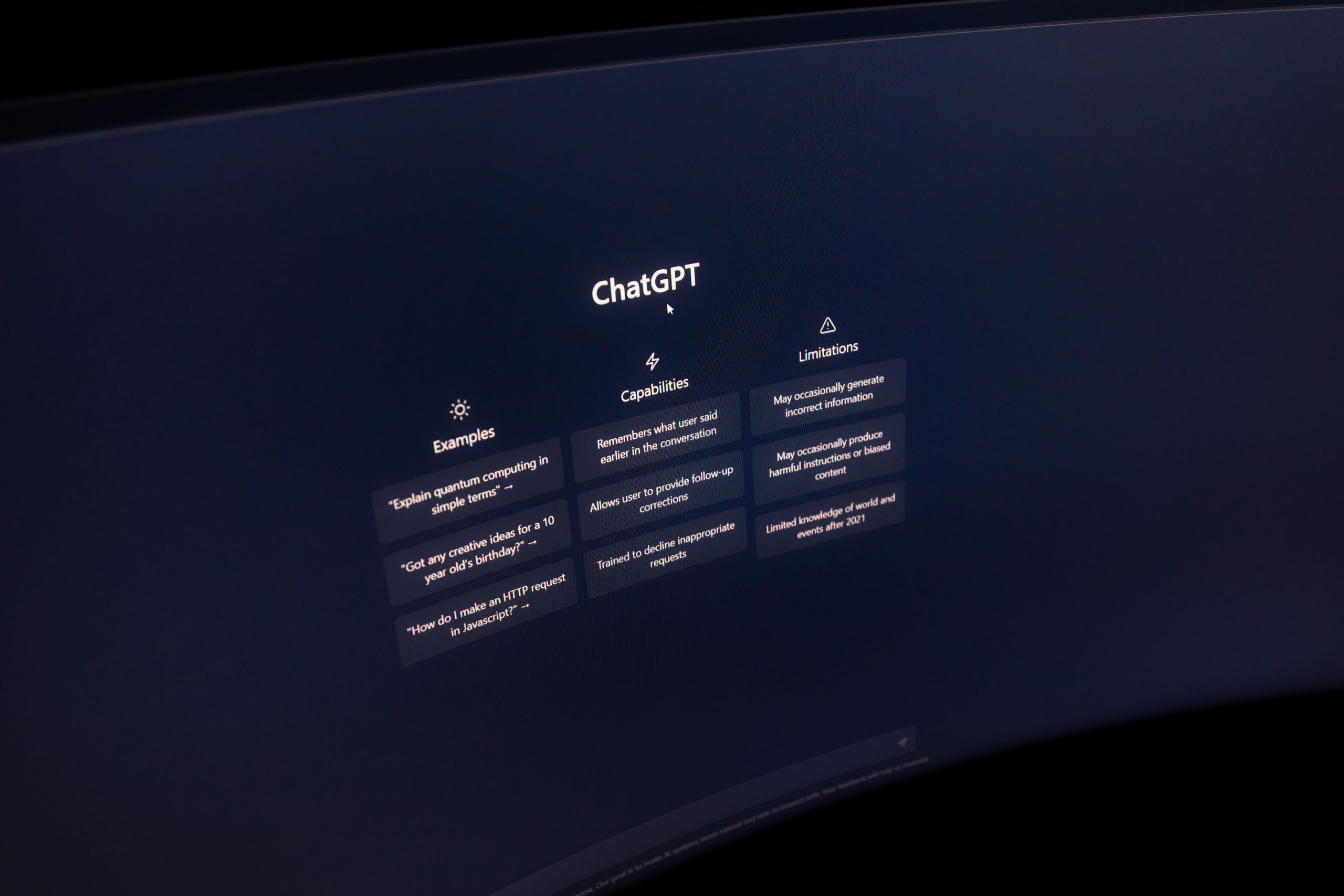

AI travel planning has moved from a novelty into a genuine part of how millions of people research, build, and book their trips. According to Google Trends data, searches for “AI travel assistant” and “AI trip planner” more than doubled in volume between 2023 and 2025, reflecting a shift in how travelers approach everything from itinerary building to restaurant discovery. The change is happening at every level of the journey, and for hospitality students and professionals, understanding how it works from the traveler’s perspective is increasingly relevant to how they design and deliver guest experiences.
Key Takeaways:
- AI tools can now generate full travel itineraries, compare destinations, and organize budgets in under a minute
- Tools like ChatGPT, Gemini, and Claude respond significantly better to specific, context-rich prompts than vague requests
- AI travel planning has real limitations, including outdated local data, sponsored prioritization, and fabricated recommendations
- Traditional travel agencies are not disappearing, but their role is shifting toward complex, high-touch itineraries that AI cannot fully replicate
- Hospitality professionals who understand AI-driven traveler behavior are better equipped to meet evolving guest expectations
What can AI actually do for trip planning right now?
AI tools handle a surprisingly wide range of travel planning tasks effectively. When given clear context, tools like ChatGPT and Gemini can generate day-by-day itineraries, suggest neighborhoods based on travel style, estimate daily budgets, identify off-season travel windows, and surface restaurant recommendations beyond the typical tourist lists.
The key is prompt quality: a request like “Plan a 5-day trip to Lisbon” will produce generic output, while one like “Plan a 5-day trip to Lisbon for two people who enjoy contemporary architecture, local seafood, and avoiding tourist crowds, with a daily budget of €150 excluding accommodation” produces something very useful and personalized.
Which AI tools work best for different travel needs?
Different tools have different strengths for travel planning. ChatGPT performs well for itinerary building and detailed budget breakdowns; Gemini integrates with Google Maps and real-time search, making it stronger for current pricing and availability. Perplexity AI cites sources directly, which is useful when verifying restaurant hours or entry requirements.
For flight comparison specifically, AI tools tend to be less reliable than dedicated search engines. Skyscanner’s 2024 travel trends report found that price comparison tools with algorithmic engines still significantly outperform general AI assistants for flight cost accuracy.
What are the real risks of AI travel planning?
AI travel planning has meaningful limitations that travelers and hospitality professionals should understand. The most significant is data recency: most language models have training cutoffs, which means a restaurant they recommend may have closed, relocated, or changed significantly. Local nuance is another gap; AI tools often reflect popular online content rather than insider knowledge.
There is also the issue of hallucination: AI tools occasionally generate plausible-sounding details that are simply wrong. Opening hours, visa requirements, and attraction pricing should always be verified through official sources before acting on them. According to Booking.com’s 2024 travel insights survey, 72 percent of travelers still cross-reference AI-generated travel suggestions with at least one additional source before booking.
How does AI travel planning affect traditional tourism agencies?
Traditional travel agencies are not disappearing, but their value proposition is changing. Travelers are increasingly handling standard trip logistics independently through AI, which means agencies are finding their strongest market in complexity, group itineraries, high-value trips, destination weddings, and experiences requiring on-the-ground relationships.
For hospitality professionals, this shift has a practical implication. Guests arriving at properties in 2026 are increasingly AI-informed: they have done more pre-trip research than previous generations, hold specific expectations, and respond well to personalization that confirms or exceeds what their planning suggested.
FAQ
Is AI travel planning reliable for visa information?
Not fully. AI tools can provide general guidance, but visa requirements change frequently and vary by nationality. Always verify with official government or embassy sources before travel.
Can AI replace a travel agent entirely?
For straightforward leisure trips with standard logistics, AI handles much of the planning well. For complex, multi-destination, or high-value travel, human expertise and established networks still add significant value.
AI travel planning is a tool, and like every tool in hospitality, the professionals who understand it from the guest’s perspective will use it most effectively.