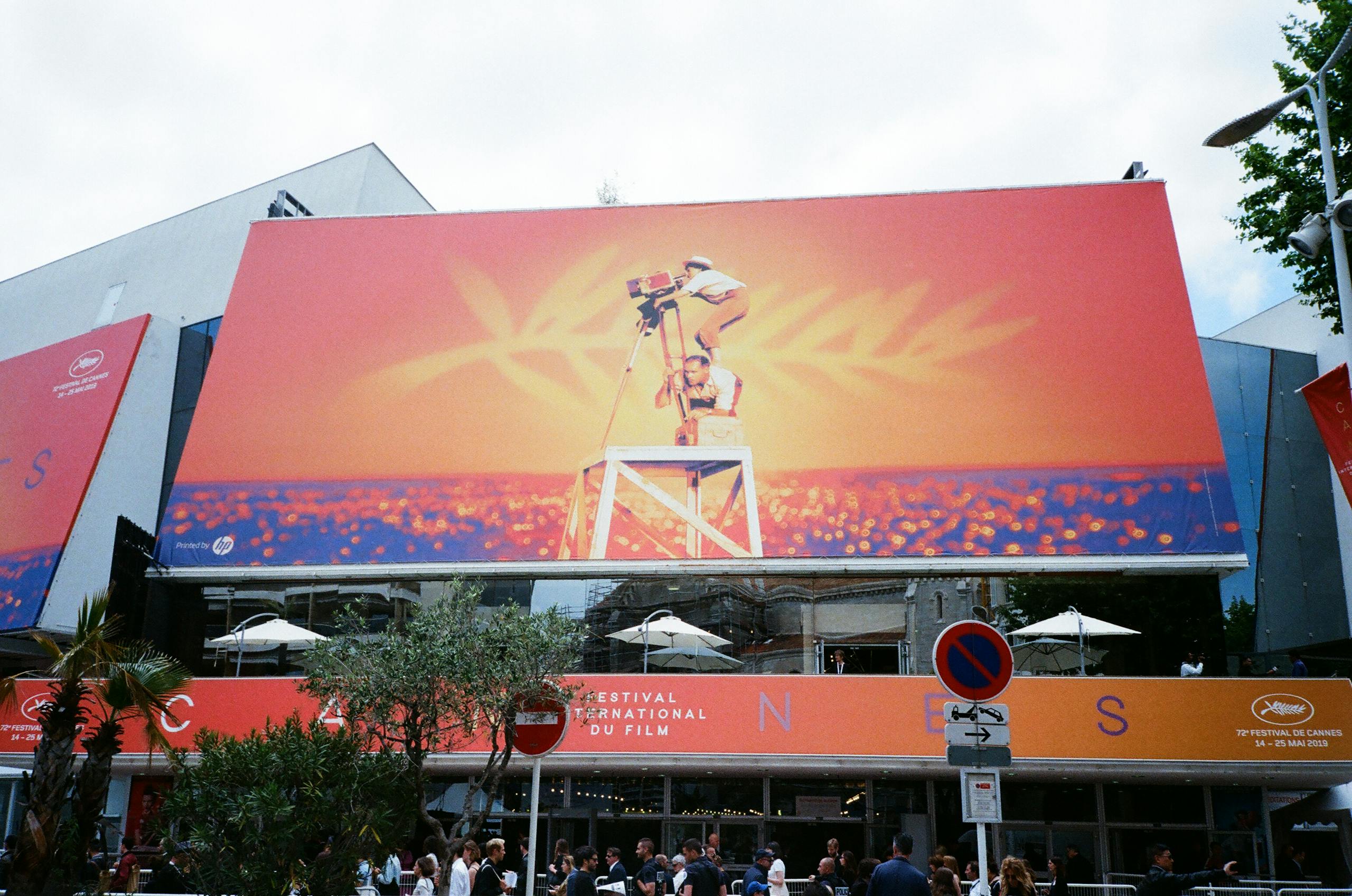
The Cannes Film Festival, held each May on the French Riviera, is one of the most influential events in the global entertainment calendar, and one of the most demanding short-window hospitality operations in the world. Hotels along the Croisette reach full occupancy weeks before the first screening, room rates multiply significantly, and the operational expectations placed on hospitality teams shift into a category that standard service training rarely prepares staff for. For students and professionals studying the relationship between hospitality, media, and luxury travel, Cannes offers a compressed and vivid illustration of how the film industry and hospitality are far more deeply connected than a single annual event suggests. Exploring how entertainment shapes global hospitality career opportunities is becoming increasingly relevant for the next generation of industry professionals.
Key Takeaways:
- The Cannes Film Festival generates significant hotel demand spikes along the French Riviera, with occupancy reaching near-capacity and rates rising substantially during the 10-day event
- Hotels in Cannes operate as venues, networking spaces, and media environments, simultaneously creating operational complexity that tests every department
- Films and television series set in hotels and resorts consistently influence destination travel demand and guest expectations of luxury service
- The hospitality industry is deeply embedded in the film production ecosystem, from long-stay production crews to property buyouts for location shoots
- Understanding the intersection of entertainment and hospitality is increasingly relevant for professionals building careers in luxury, events, and destination management
How does the Cannes Film Festival affect hotel operations?
The impact on hospitality during the Cannes Film Festival is immediate and measurable. The 10-day event brings together film industry professionals, global media, brand partners, and high-net-worth attendees in a coastal strip with limited hotel inventory, a combination that produces some of the most extreme demand conditions in the European luxury hotel market.
Hotels along the Promenade de la Croisette, including the iconic Hotel Martinez, the Carlton InterContinental, and the Grand Hyatt Cannes Hotel Martinez, become the central infrastructure of the event itself: hosting screenings, press junkets, brand activations, private dinners, and celebrity functions simultaneously across every public and private space they control.
According to STR’s European hotel benchmarking data, major film and entertainment events consistently produce the highest ADR (average daily rate) spikes of any demand driver in their respective markets. Cannes is among the most extreme examples of this pattern in Europe.
What does a film festival demand from hospitality professionals?
The operational demands during a major film festival are categorically different from standard luxury hotel operations. Every department is under simultaneous pressure at maximum capacity, which means the quality of training, team communication, and composure under stress determines whether the experience delivered matches the rates being charged.
For Front Office and concierge teams, the guest profile shifts dramatically. Industry executives, award-season talent, international press, and brand representatives all arrive with specific and often competing needs. Managing those needs discretely, efficiently, and without visible friction is a skill that takes years to develop properly.
For Food and Beverage teams, festival periods involve extended service hours, bespoke event menus, and simultaneous delivery across hotel restaurants, private dining rooms, terraces, and catering setups. The margin for error compresses significantly when every table is full, and every guest is photographed.
How do films and TV shows shape hospitality and travel demand?
The relationship between entertainment and hospitality extends well beyond event weeks. Films and television series set in hotels, resorts, and restaurants have a documented and measurable effect on destination travel demand, a phenomenon that has become more pronounced as streaming platforms expand global viewership simultaneously.
The White Lotus Season 2 in Sicily drove a sharp increase in luxury travel inquiries to the region following its release. Bridgerton filming locations across England and Scotland saw visitor numbers increase significantly at properties associated with the series. According to Booking.com’s 2024 travel insights report, over 40% of travelers now say that content they have watched directly influences where they choose to travel.
Hotels and resorts appear in films not only as settings but as characters. The architecture, the service culture, and the visual identity of a property: all of these become part of how audiences understand what luxury means. When guests arrive at a property they have seen on screen, their expectations are shaped by that representation before a single interaction takes place.
FAQ
Do hotels make money from film productions?
Yes, and significantly. Property buyouts for location shoots, long-stay accommodation for cast and crew, and catering contracts for production units all represent substantial revenue streams. Major productions can occupy hotel floors for weeks, providing predictable revenue at negotiated rates.
Which hotel films have most influenced travel demand?
The White Lotus (Sicily, Thailand), Grand Budapest Hotel (Eastern European travel demand), and Lost in Translation (Tokyo luxury hotel interest) are frequently cited as examples where screen representation directly drove measurable increases in destination bookings.
Cannes is a useful lens precisely because it compresses so many dynamics into a short window: major event demand, high-profile guest management, media exposure, and brand positioning all happening simultaneously. For hospitality professionals who understand how these elements interact, it is not just a festival. It is one of the industry’s best annual training grounds, visible from the outside and instructive from within.